Predictive Recruitment Analytics: How to Forecast Your Next Hiring Bottleneck
Ever feel like your hiring process is a constant game of catch-up? You close one critical role, and two more pop up. You’re buried in reports telling you what happened last quarter, but you’re still left guessing what’s coming next. This reactive scramble is a huge source of stress for recruiting teams, leading to slow hires and missed opportunities.
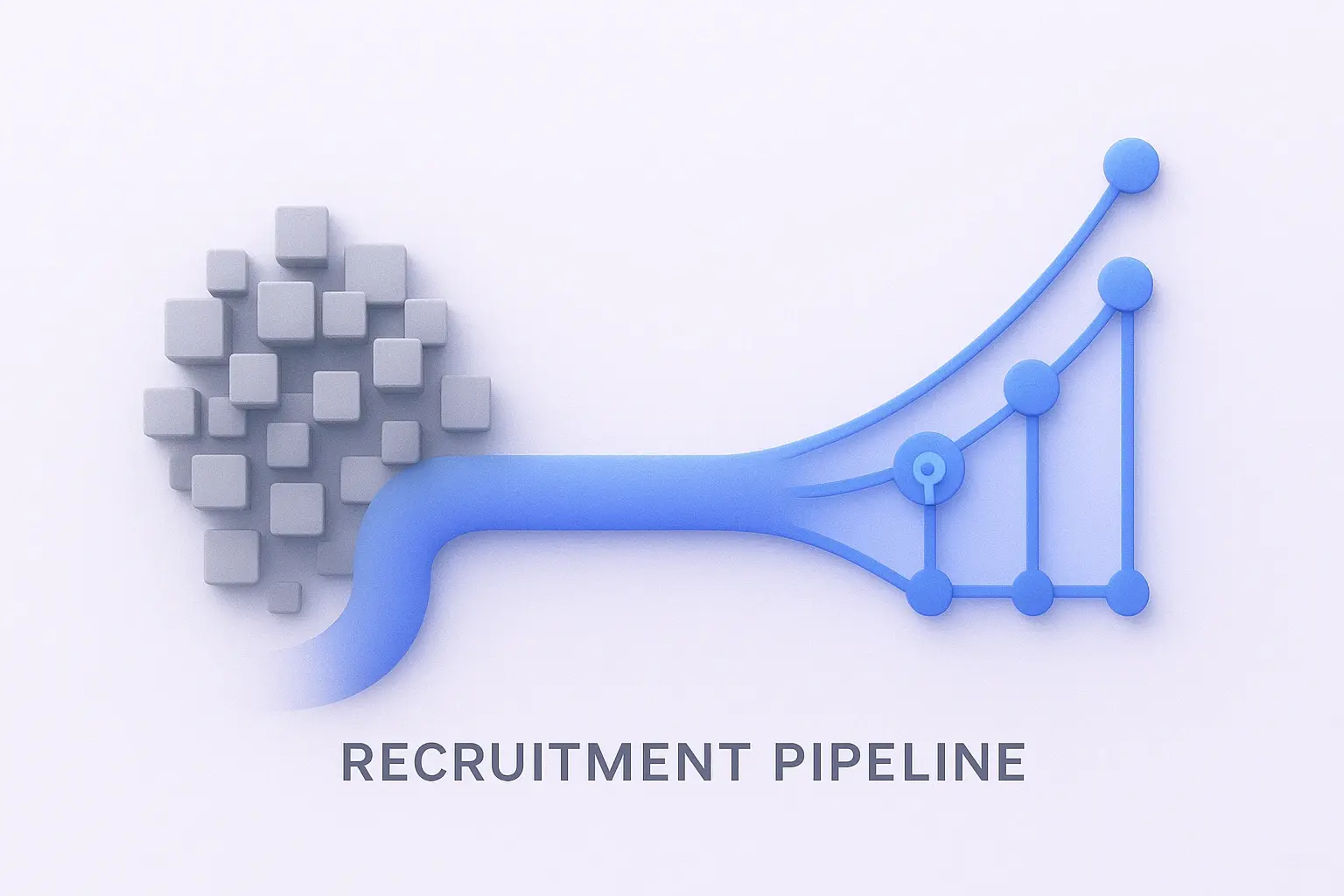
But what if you could trade your rearview mirror for a GPS? What if you could see the traffic jams in your hiring pipeline weeks or even months in advance? That’s the shift from simple reporting to predictive recruitment analytics. It’s about using the data you already have to forecast the future.
From Past Performance to Future Insight
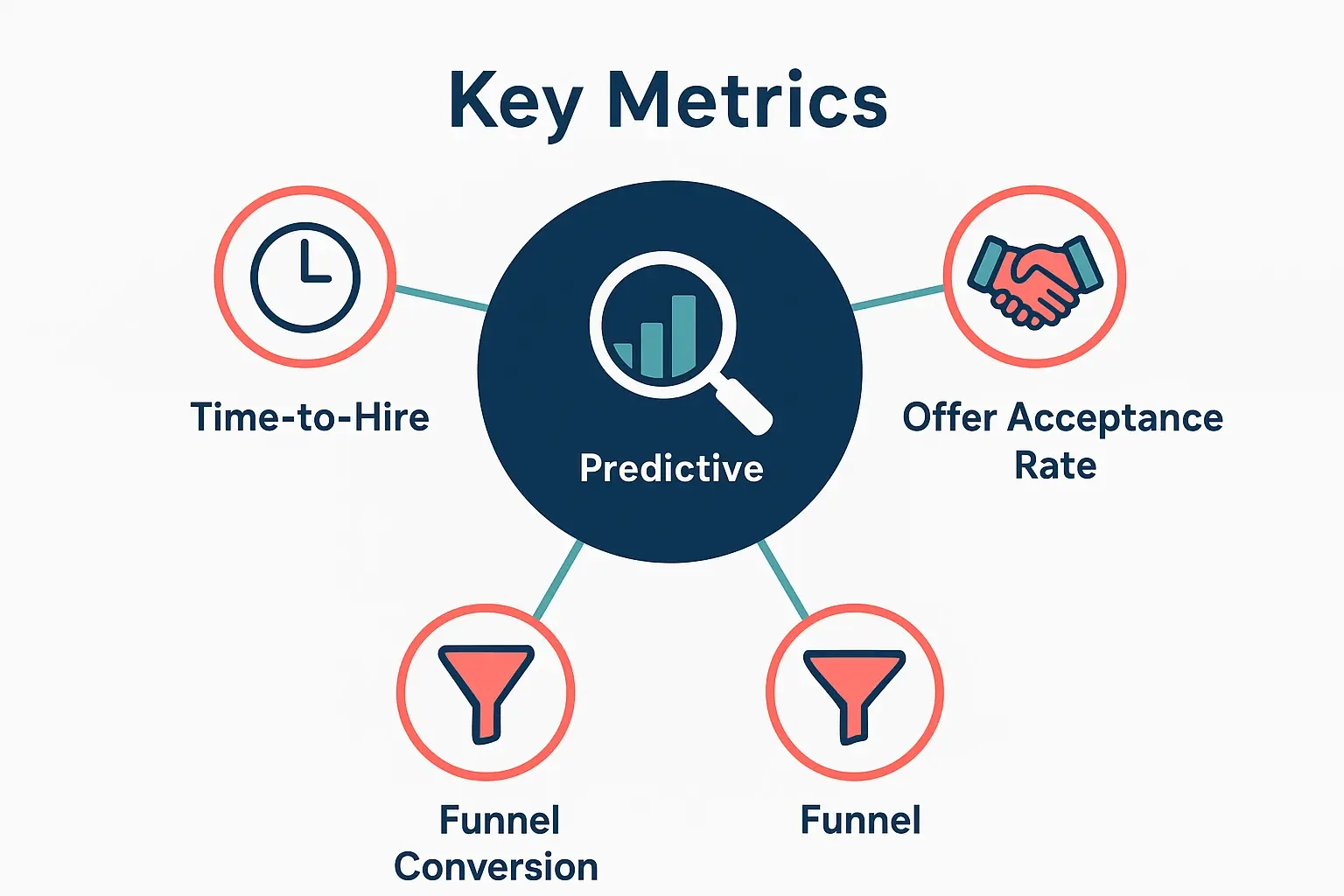
At its heart, predictive analytics uses your historical recruiting data—like time-to-hire, offer acceptance rates, and funnel conversion rates—to build a statistical model that can anticipate future outcomes. Think of it like a weather forecast for your talent pipeline. It doesn’t just tell you it rained yesterday; it analyzes patterns to tell you there’s a 70% chance of rain next Tuesday.
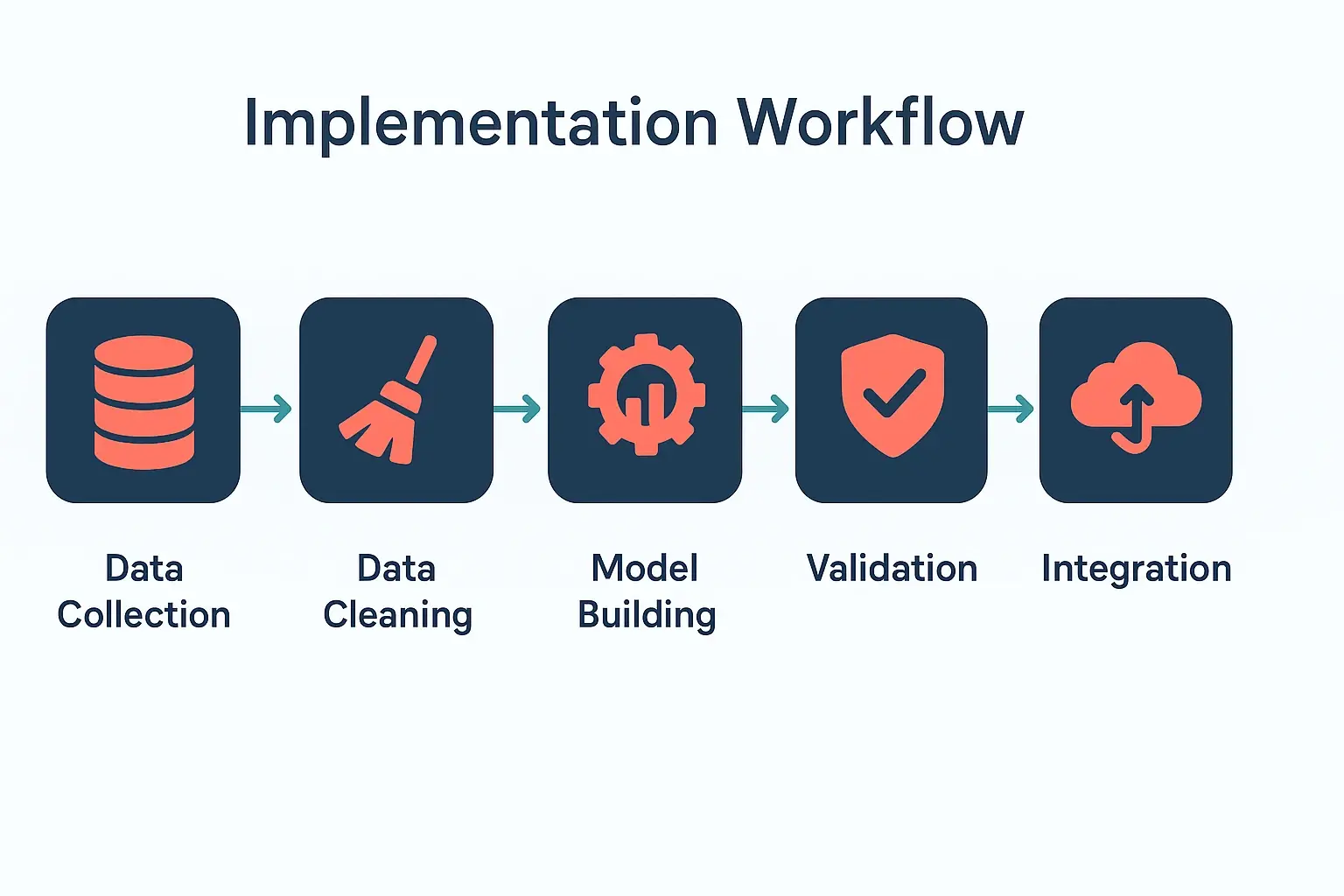
The process involves a few key steps:
- Gathering Data: Collecting clean, consistent data from your Applicant Tracking System (ATS) and other sources.
- Building a Model: Using algorithms to identify patterns and relationships within that data. For instance, the model might learn that when you have more than 50 applicants for a software engineer role, the time-to-hire for that role typically increases by 15 days.
- Forecasting: Applying the model to your current pipeline to predict future events.
Spotting Bottlenecks Before They Happen
This is where predictive analytics creates its biggest “aha moment.” Instead of reacting to a problem, you can prevent it.
Imagine your model flags a potential issue: “Based on current application volume and historical interview-to-offer ratios, we predict a 40% drop in qualified candidates for the Senior Marketing Manager role in Q3.”
This insight is a game-changer. It gives you a head start to:
- Adjust your sourcing strategy: Focus on different channels or invest more in outbound recruiting.
- Re-allocate resources: Assign another recruiter to the role before the pipeline dries up.
- Manage expectations: Inform the hiring manager that this search may take longer, preventing frustration down the line.
Predictive analytics transforms you from a reactive firefighter into a proactive strategist.
The Foundation: Quality Data and Ethical AI
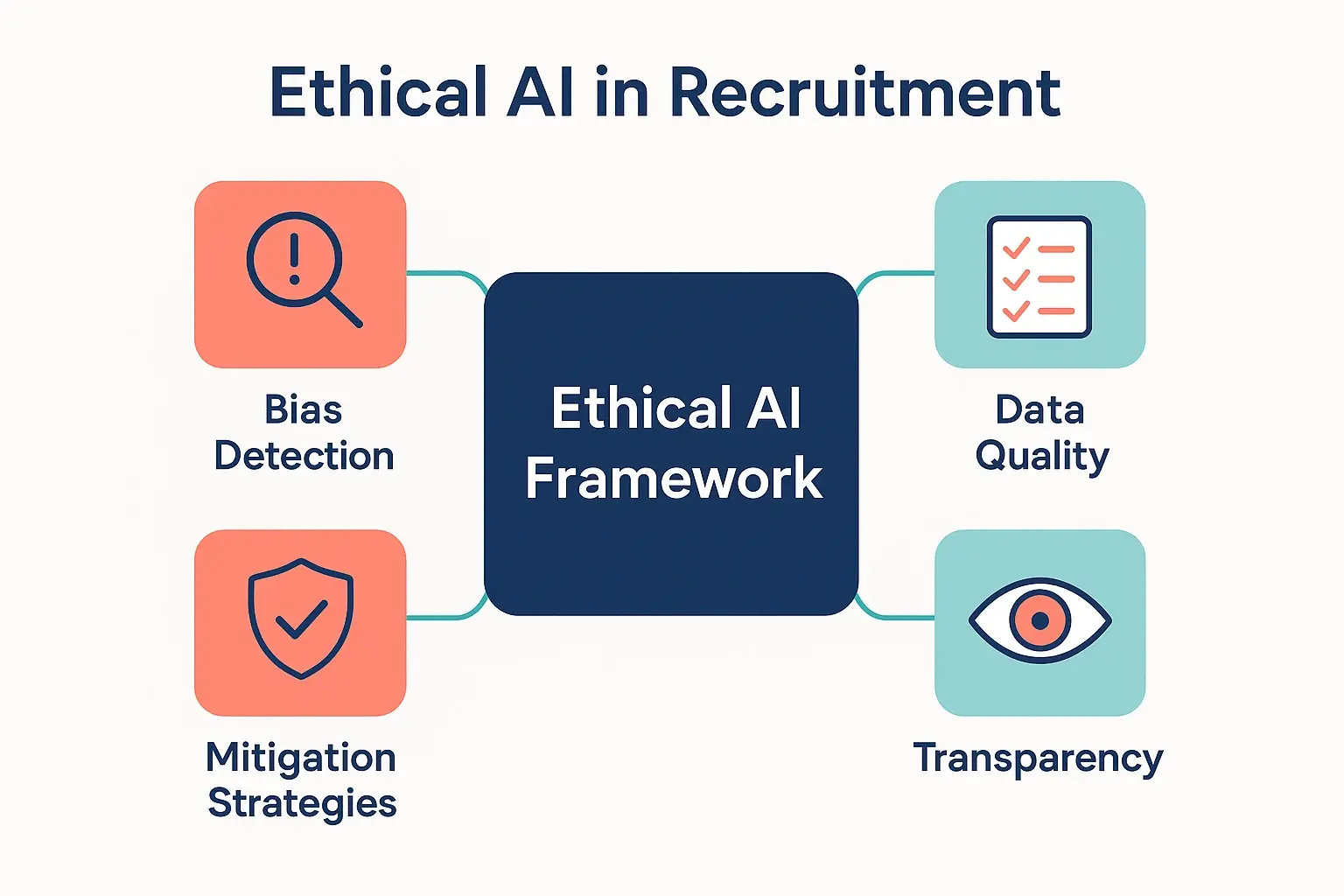
A predictive model is only as smart as the data it learns from. If your historical data is messy, incomplete, or reflects past biases, your forecasts will be unreliable. This is why ensuring data quality and using ethical AI frameworks are not just best practices—they are essential for building trust in the system. The goal is to create a fair and accurate process that supports, rather than replaces, human decision-making.
Frequently Asked Questions
What’s the main difference between reporting and predictive analytics?
Reporting looks backward, telling you what happened (e.g., “Our average time-to-hire last quarter was 42 days”). Predictive analytics looks forward, telling you what is likely to happen (e.g., “Based on current trends, the time-to-hire for this new role will likely be 55 days”).
Do I need to be a data scientist to use this?
Not anymore. Modern recruitment platforms like Upfound AI are designed to make predictive insights accessible. They do the heavy lifting on the back end, presenting you with clear, actionable forecasts without requiring you to understand complex algorithms.
How can this help a small recruiting team?
Predictive analytics is especially powerful for small teams who can’t afford a bad hire or a stalled pipeline. By helping you focus your limited time and resources on the right candidates and strategies, it acts as a force multiplier, allowing you to hire more effectively without increasing headcount.
Your First Step into Proactive Hiring
Getting started with predictive analytics doesn’t require a complete overhaul of your process. It begins with a simple shift in mindset: looking at your existing recruitment data not just as a record of the past, but as a clue to the future. By understanding these patterns, you can finally get ahead of the hiring curve.