Human Touch in a Digital World: How to Introduce AI Interviews Candidates Actually Like
You’ve found a promising candidate, but your team is buried in back-to-back screening calls. The pressure is on to move fast without sacrificing a personal touch. This is the modern recruiter’s dilemma. AI interviews offer a powerful solution, but their success hinges on one critical, often overlooked step: how you introduce them.
Get the introduction wrong, and candidates may feel anxious or disconnected. Get it right, and you create a fair, engaging, and memorable experience that sets you apart.
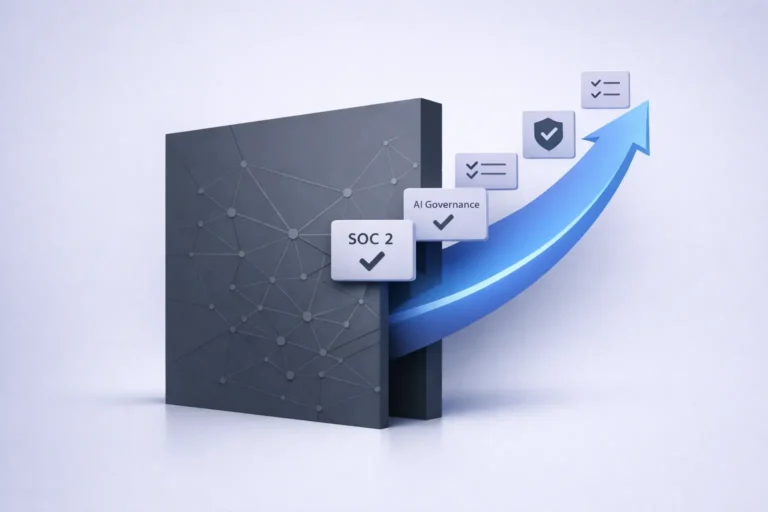
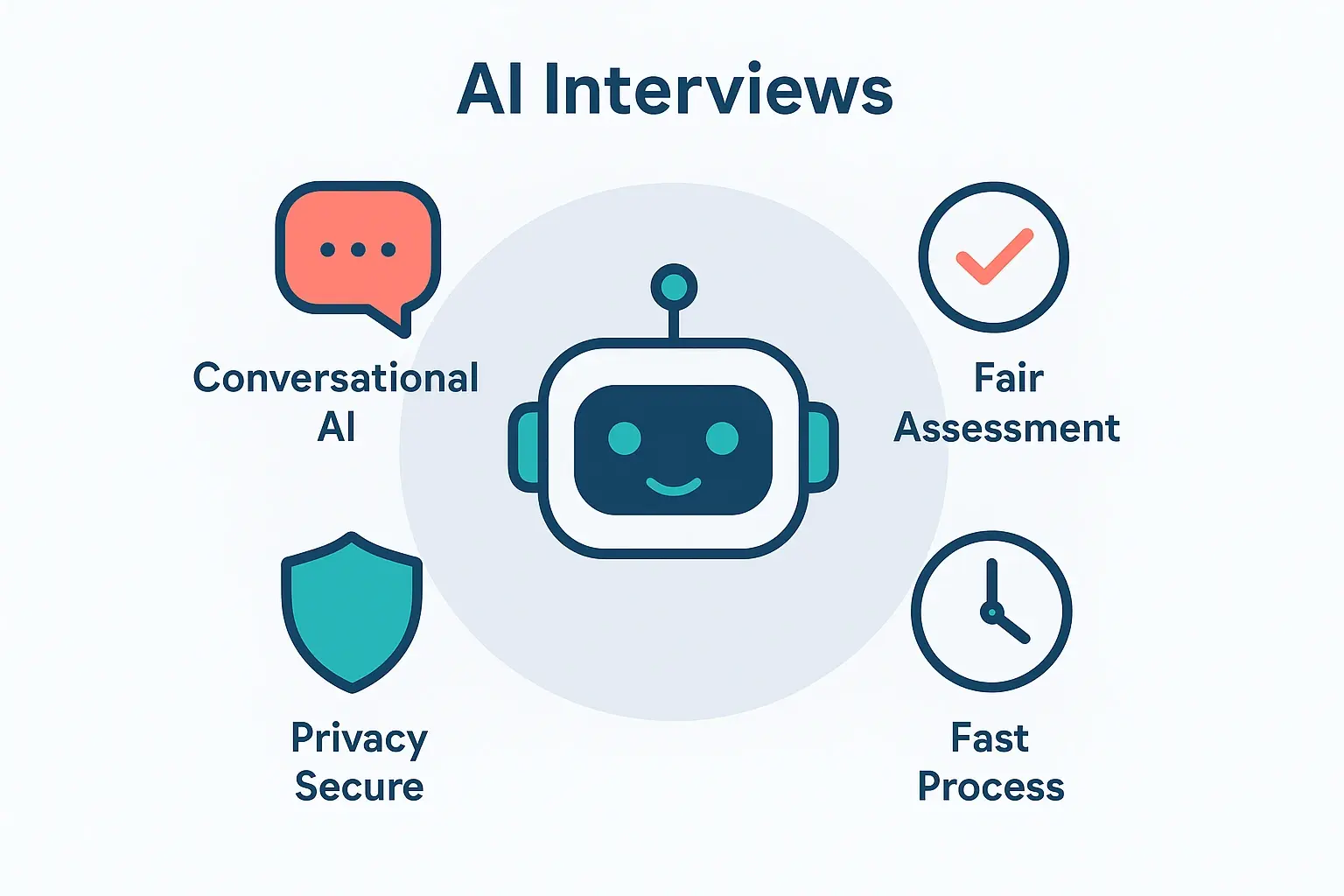 This visual explains the key components of AI interviews, highlighting how conversational AI enhances fairness, speed, and data privacy to improve the candidate experience.
The Communication Gap: Why How You Introduce AI Matters
Let’s be honest: the term “AI interview” can sound intimidating. Candidates often worry about talking to an impersonal robot, being judged by a mysterious algorithm, or having their nuances missed. These are valid concerns, born from experiences with clunky, first-generation bots.
However, modern tools are different. Today’s best systems use human-like conversational AI that can ask relevant follow-up questions and create a natural dialogue. The challenge isn’t the technology—it’s bridging the gap in understanding.
Your initial communication is your chance to turn skepticism into confidence. By proactively explaining the process and its benefits, you reframe the AI interview from a test into a tool for fairness and efficiency.
A Simple Framework for a Positive Introduction
Instead of just sending a link, guide your candidates through the process with transparency and empathy.
1. Explain the “Why” Behind the “What”
Start by connecting the AI interview to a positive goal. Don’t just say, “You’ve been invited to an AI interview.” Instead, frame it around fairness and respect for their time.
Example Script:
“To ensure every candidate gets a fair and thorough opportunity to share their experience, our first step is a conversational AI interview. This approach allows us to give thoughtful consideration to all applicants and helps us move forward quickly and without bias.”
2. Set Clear and Simple Expectations
Demystify the experience by explaining what will happen. Remove the fear of the unknown. Let them know it’s a conversation, not a pop quiz, and that a human will always review their responses.
Key Points to Include:
- Format: “You’ll be answering a series of questions in a conversational format.”
- Time: “The interview should take about 15-20 minutes.”
- Flexibility: “You can complete it anytime in the next 72 hours from your mobile/browser.”
- Purpose: “This helps us understand your skills and experience in a consistent way.”
3. Highlight the Benefits for Them
What’s in it for the candidate? Focus on the advantages they’ll experience directly.
- Convenience: They can interview from anywhere, at any time that suits them.
- Fairness: Every candidate answers the same core questions, creating a level playing field and helping reduce unconscious bias.
- Speed: It accelerates the hiring process, so they won’t be left waiting for weeks.
Research shows this approach works. One study found that 86% of candidates actually preferred AI interviews after experiencing them, highlighting the power of a positive first impression.
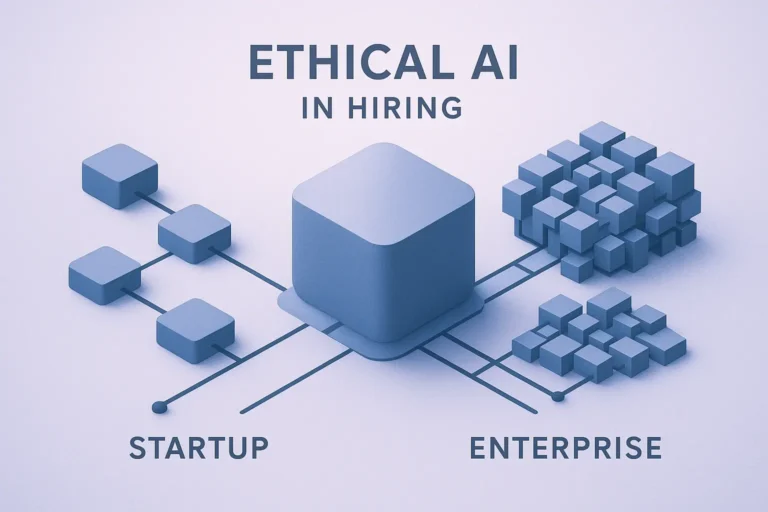
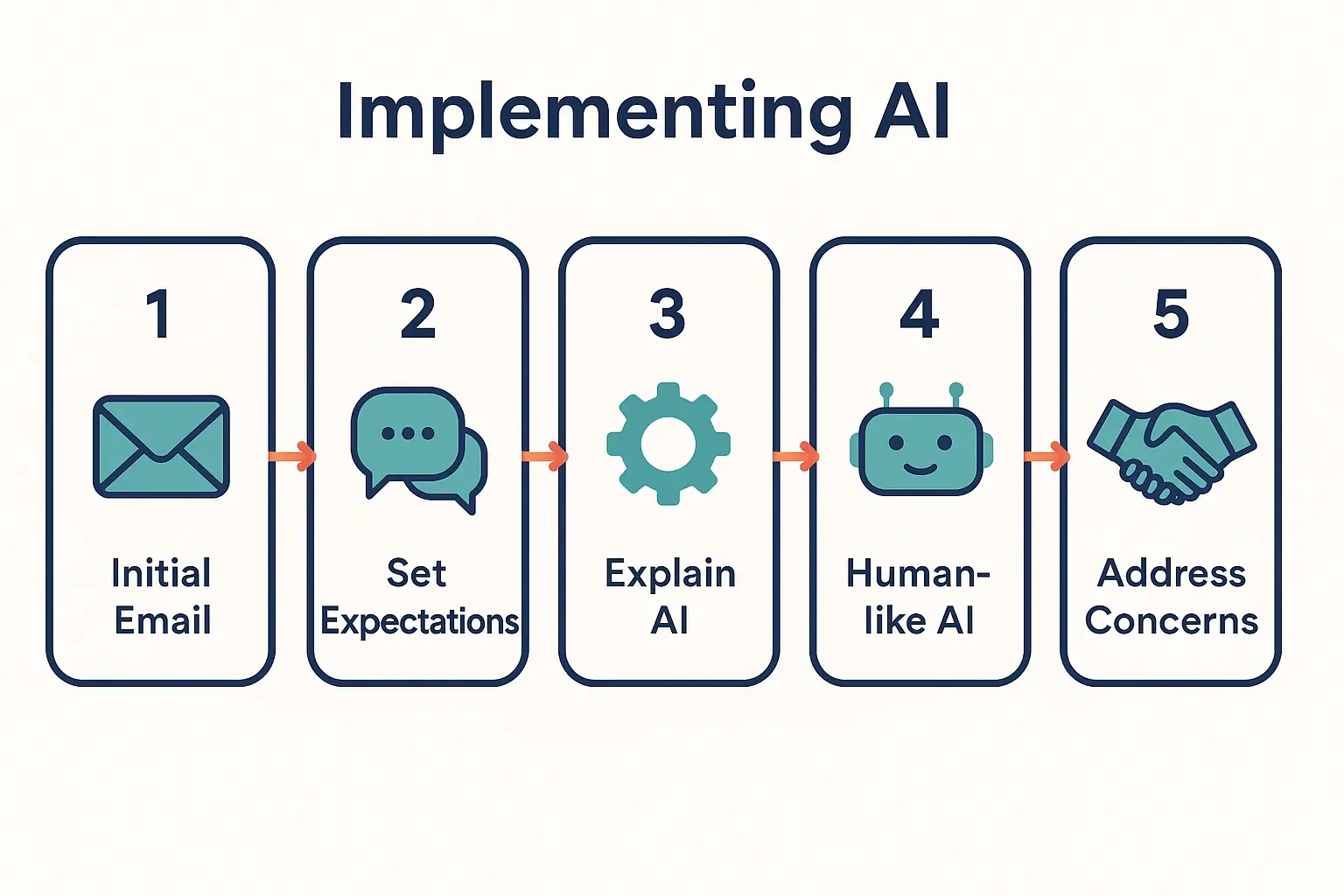 This process flow guides recruiters through key steps to communicate AI interviews clearly and empathetically, emphasizing conversational AI’s role to foster candidate comfort.
From “Robot” to Resource: The Conversational AI Difference
The biggest leap in AI interviewing is the shift from rigid, one-way video recordings to dynamic, two-way conversations. When you use an AI interview platform built on conversational AI, you can confidently tell candidates they won’t be talking to a wall.
This technology is designed to feel more human. It can understand context, ask clarifying questions, and adapt to the candidate’s answers. This interactivity not only gathers better information but also makes candidates feel heard, significantly reducing anxiety and improving the overall candidate experience.
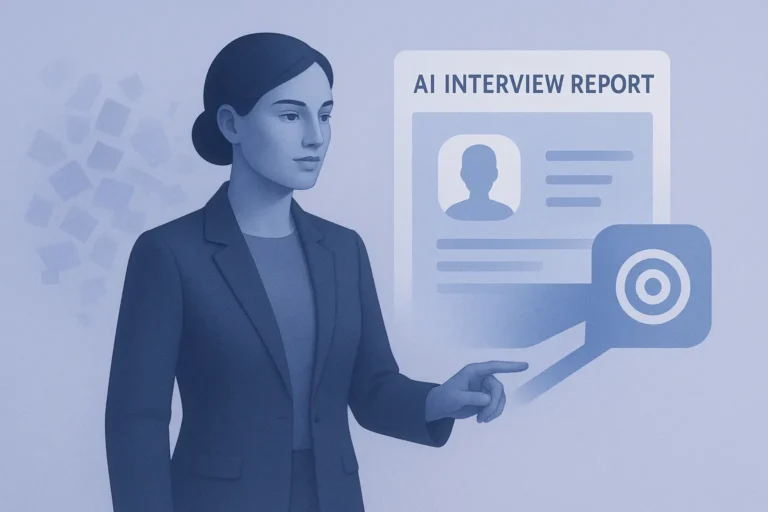
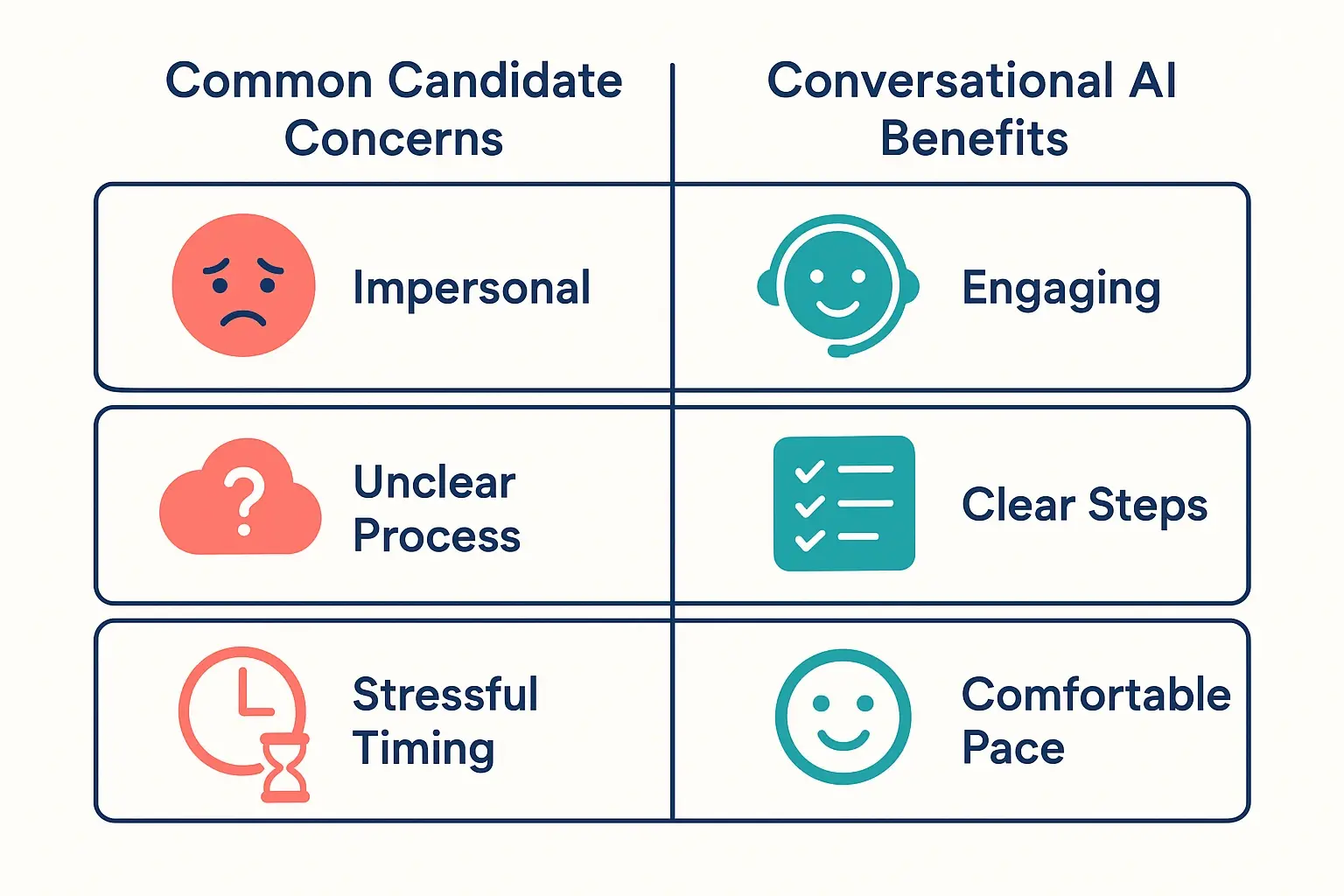 This comparison highlights how Upfound AI’s human-like conversational features address common candidate concerns, creating a more positive and engaging interview experience.
Frequently Asked Questions
What is a conversational AI interview?
It’s an automated, structured interview where a candidate interacts with an AI that asks questions and can understand and respond to their answers in a natural, conversational way. It’s designed to be more engaging than simply recording video answers.
Is it fair to candidates?
Yes. When designed properly, AI interviews are a powerful tool for fairness. The AI asks every candidate the same role-relevant questions in a consistent manner, which helps remove the human biases that can creep into initial screening calls.
Does the AI make the final hiring decision?
No. An AI interview is a tool that provides data and insights to the hiring team. It helps identify qualified candidates efficiently, but the final decisions are always made by people.
By embracing transparent communication, you can transform your AI screening process from a point of friction into a competitive advantage, ensuring you hire faster and smarter while treating every candidate with respect.