Beyond Keywords: How to Build Custom AI Competency Frameworks for Niche Roles
Hiring for a “Quantum Machine Learning Engineer” or an “Ethical AI Product Lead” feels less like recruiting and more like searching for a unicorn. Traditional job descriptions and keyword-based resume filters often fall short, leaving you with a pile of resumes that miss the mark. You know the critical competencies for these roles are nuanced—a blend of deep technical skill, creative problem-solving, and specific behavioral traits. But how do you define, let alone screen for, qualities that don’t fit neatly into a checkbox?
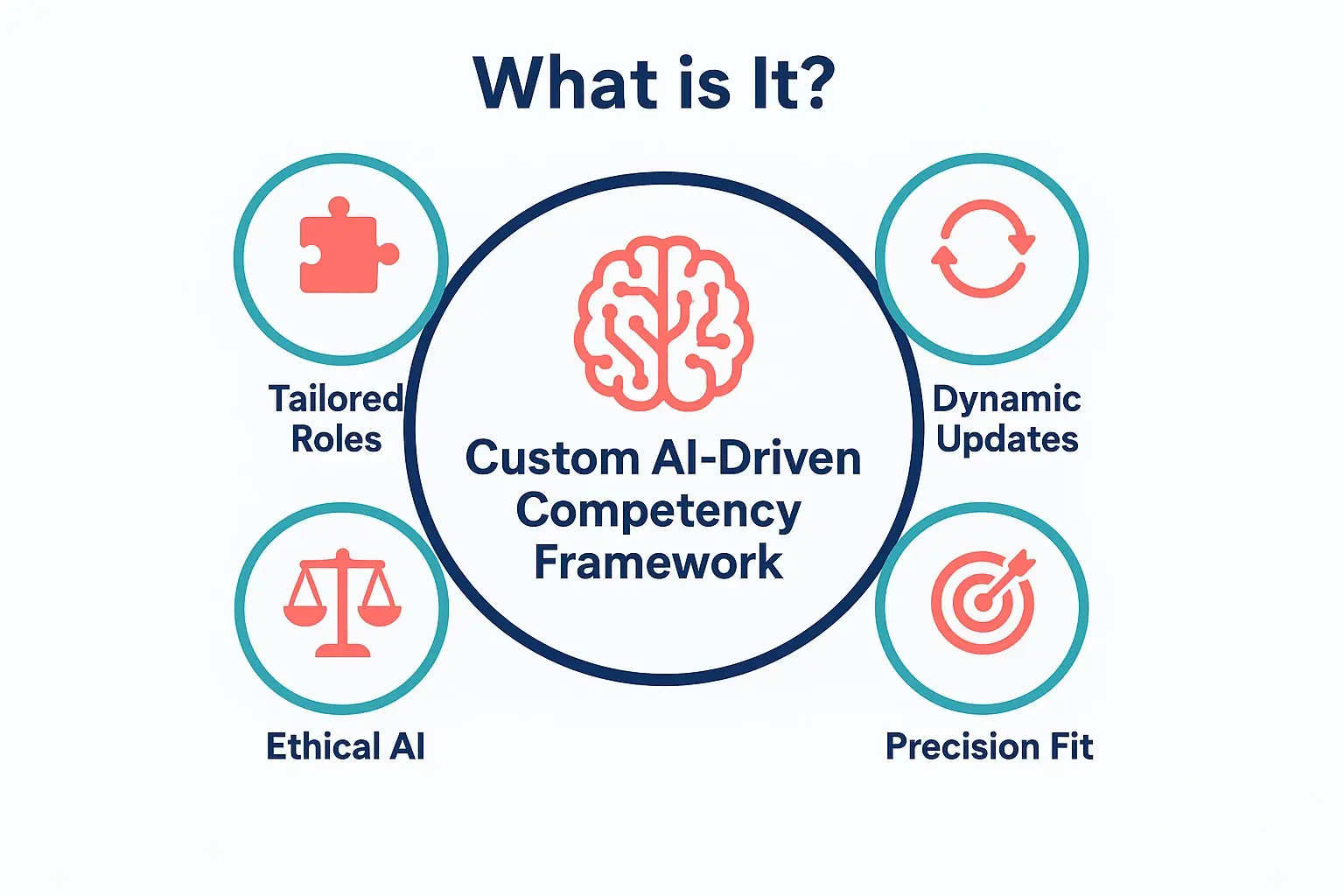
The answer lies in moving beyond generic templates to build custom, AI-driven competency frameworks. These aren’t just glorified skill lists; they are dynamic blueprints for success, tailored specifically for your most specialized roles. They provide a structured way to define what “great” looks like, ensuring every candidate is measured against the same precise, relevant standard.
What Makes a Competency Framework “Custom” and “AI-Driven”?
Let’s break down the jargon. A traditional competency framework outlines the skills and behaviors needed for a job. An AI-driven one uses artificial intelligence to analyze vast amounts of data—from top performer profiles to industry-wide skill trends—to identify the true predictors of success, often uncovering patterns humans might miss.
The magic happens with customization. Instead of relying on a generic “Leadership” competency, a custom framework for an Ethical AI Lead might define it as “Principled Innovation Leadership,” with specific behavioral anchors like “Navigates ambiguous ethical dilemmas” and “Fosters psychological safety for dissenting technical opinions.” This level of detail is where AI excels, helping you build a framework that is precise, relevant, and objective.
Your Blueprint for Building a Custom AI Framework
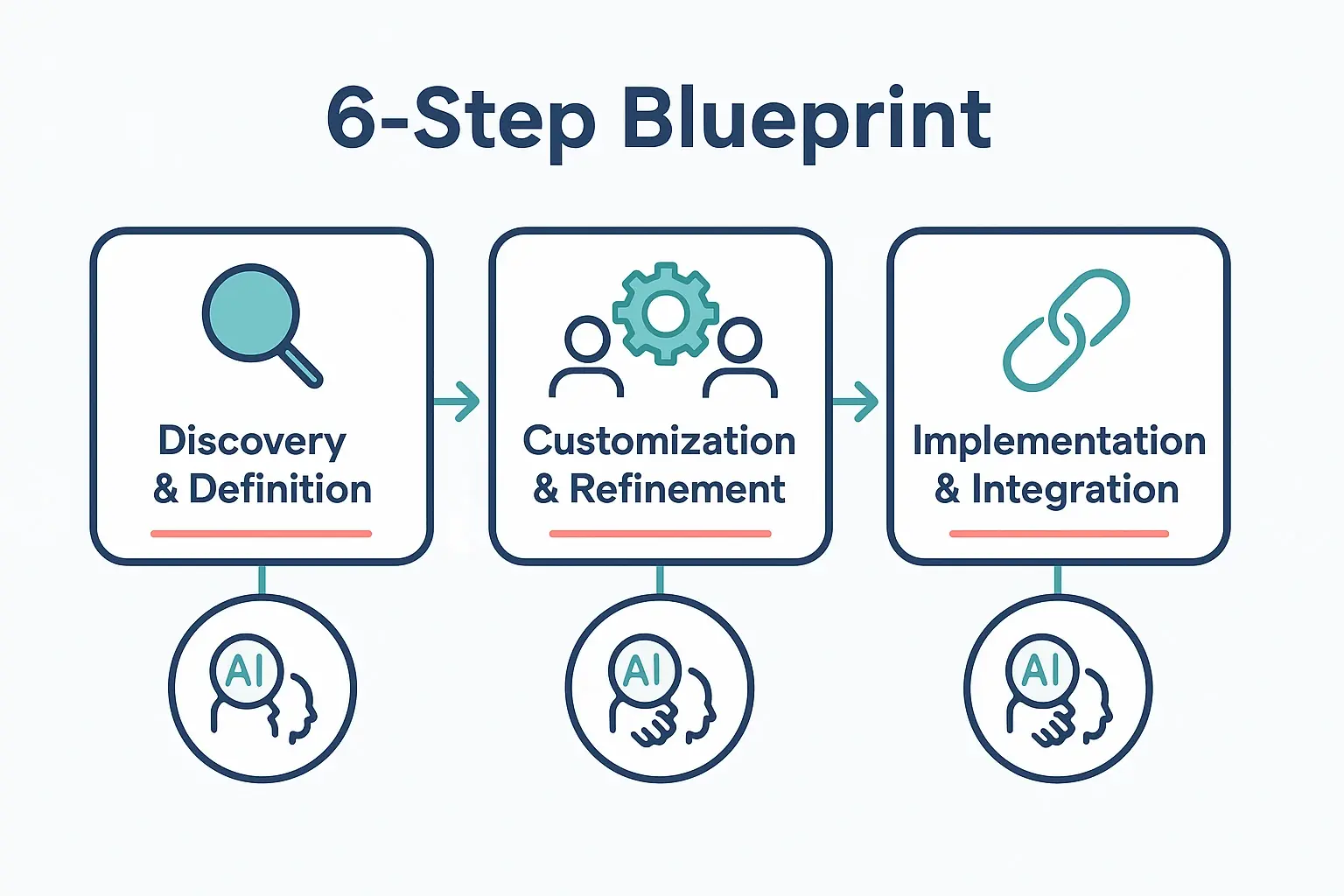
Creating a custom framework isn’t about letting AI take the wheel completely. It’s a powerful collaboration between technology and human expertise. Research from sources like Taito.ai and SkillDirector.com shows that a structured, phased approach yields the best results.
Phase 1: AI-Assisted Discovery
Start by feeding the AI relevant data: your job description, profiles of current high-performers in similar roles, and even industry-wide job postings. The AI will analyze this information to draft an initial set of core technical, behavioral, and leadership competencies tailored to your niche role.
Phase 2: Human-AI Collaboration & Refinement
This is where your team’s expertise shines. Review the AI-generated draft with subject-matter experts and hiring managers. Refine the proficiency levels and add behavioral anchors that reflect your company culture and the specific demands of the role. This collaborative loop ensures the framework is not only data-driven but also contextually relevant.
Phase 3: Implementation and Integration
A brilliant framework is only useful if it’s applied consistently. The next step is to integrate it directly into your hiring process. This means embedding the competencies into your job descriptions, interview questions, and, most critically, your screening process.
Frequently Asked Questions
1. Can AI really evaluate nuanced skills like creativity or leadership? Yes, but indirectly. AI can’t measure creativity itself, but it can identify and score the “footprints” of creativity in a resume—like project experience involving novel problem-solving, specific design tool proficiency, or contributions to innovative patents. For leadership, it can track patterns like progressive responsibility, team management experience, and project delivery metrics.
2. How does this approach help in mitigating hiring bias? By focusing every evaluation on a pre-defined, role-specific set of competencies, you shift the focus away from subjective factors and demographic details that can introduce unconscious bias. A well-designed AI framework ensures every candidate is assessed against the same objective, job-relevant criteria, creating a more equitable playing field.
3. Is this process too technical for an HR team without data scientists? Not at all. Modern platforms like Upfound AI are designed for HR professionals. The interface is intuitive, guiding you through the process of defining competencies without needing to write a single line of code. The goal is to augment your hiring expertise with the power of data, not to replace it.
The Future of Niche Hiring is Precision
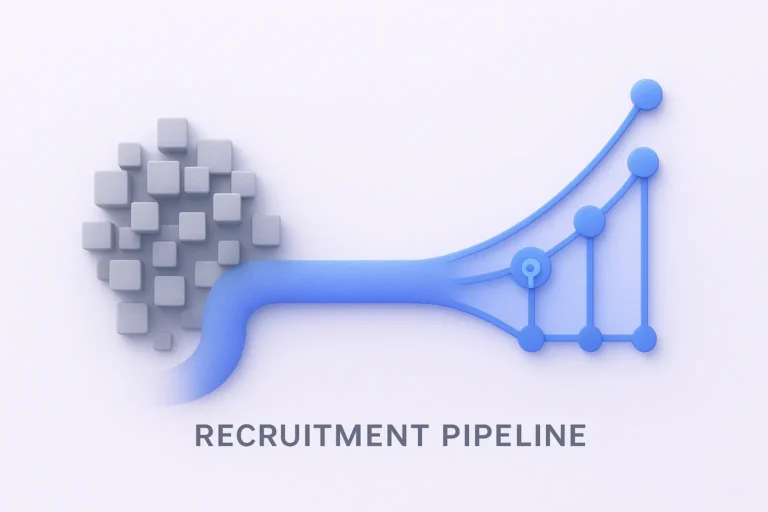
In a competitive talent market, the ability to accurately identify and assess candidates for highly specialized roles is a superpower. By building custom AI-driven competency frameworks, you move from guesswork to a precise, scalable, and fair methodology. You stop searching for unicorns and start building a predictable pipeline to attract and hire the exact talent you need to innovate and grow.
Ready to see how this works in practice? Learn more about how Upfound AI’s suite of tools, including human-like AI interviews, can transform your entire hiring workflow.